
Home / Services / Appliance installation
SERVICE · LARAMIE, WY
Appliance Installation in Laramie, WY
A new appliance only works as well as its installation. We connect, level and test your new washer, dryer, dishwasher, range or microwave, and we tell you plainly if anything in the space needs attention first.
What we install in Laramie
Tell us the appliance and the space, and we will confirm what is involved before the day.
Washers and dryers
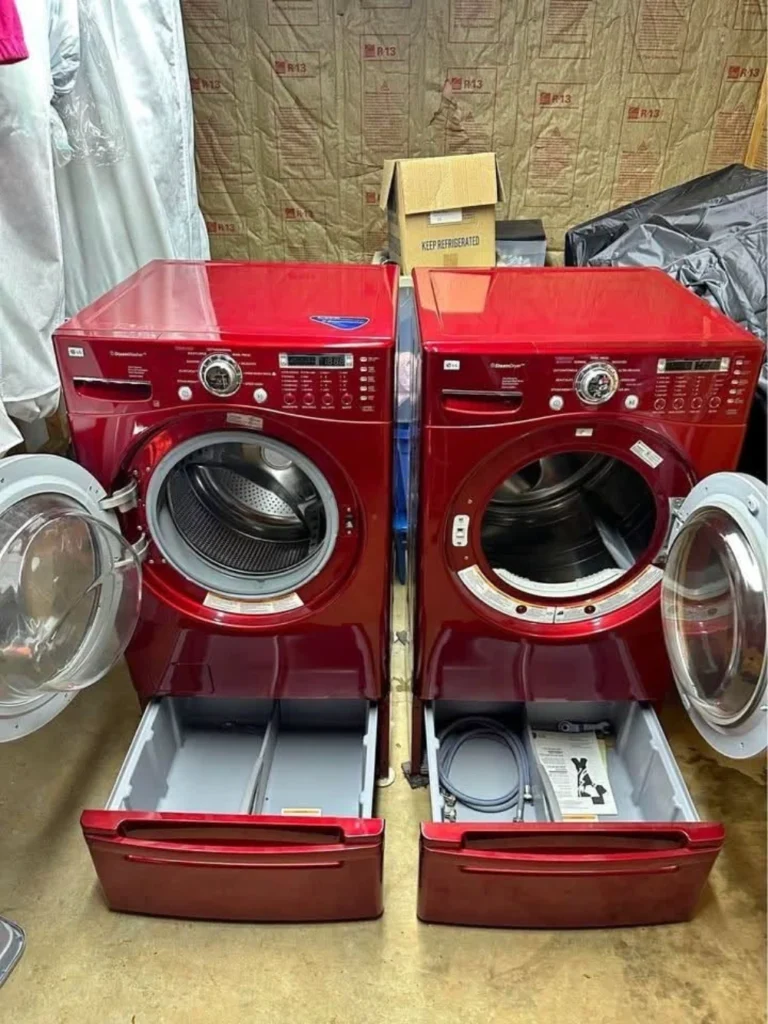
Water hoses, drain, venting, level and power or gas. We check the vent run and the connections.
Dishwashers
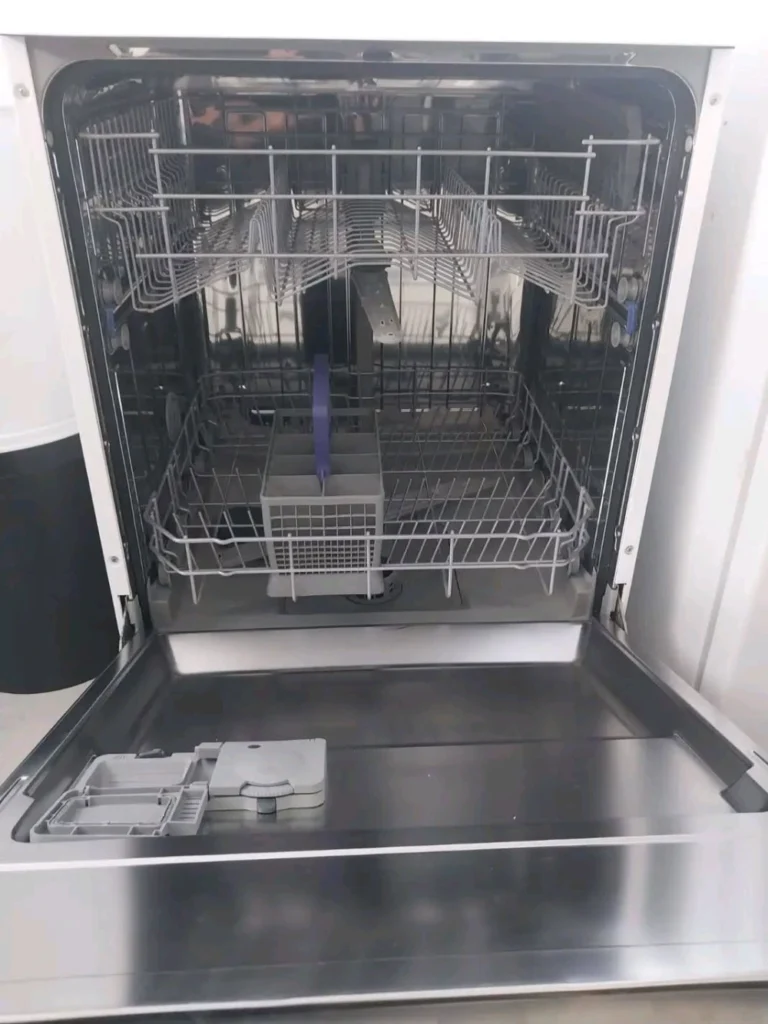
Water, drain, electrical and a secure fit under the counter. See dishwasher repair and installation.
Ranges and cooktops
Electric ranges need the right outlet and cord. Gas ranges need a safe connection and a leak check. [confirm gas installation scope]
Over-the-range microwaves
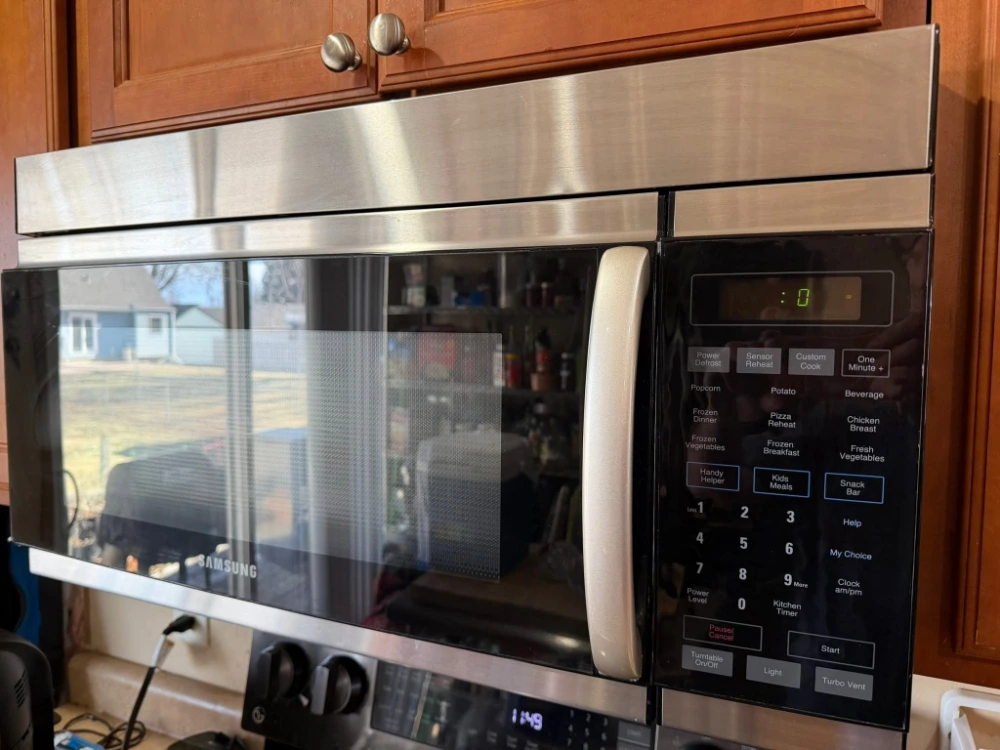
Mounting, venting and power, with attention to weight and cabinet fit.
Refrigerators
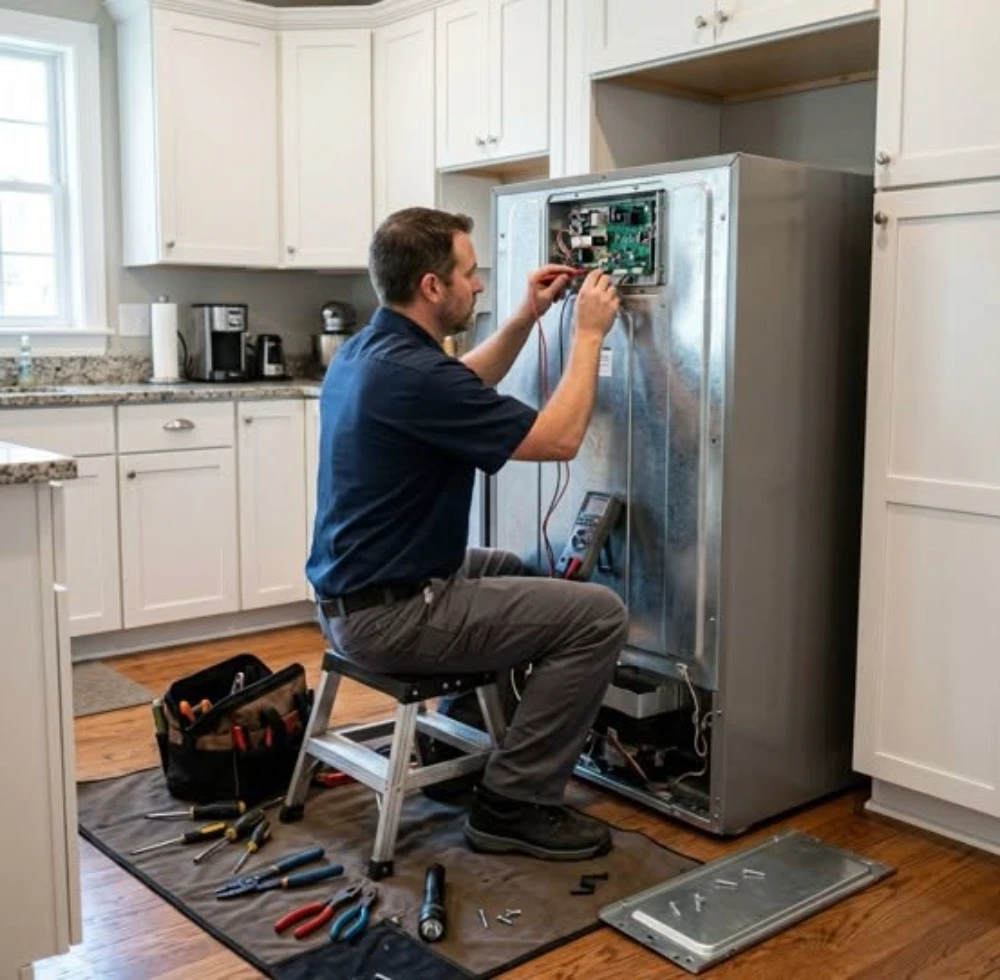
Placement, leveling, water line connection for ice makers and door fit.
Haul-away
We can remove the old appliance. [confirm haul-away policy]
How an installation goes
Confirm the details
We ask for the model, the fuel or power type and the space, and we flag anything unusual before the day.
Check the space
We look at the outlet, the water lines, the venting and the floor before the old unit comes out.
Install and connect
We connect, level and secure the new appliance and check for leaks.
Test and walk you through
We run it, show you how it works and leave the area clean.
Before installation day
- Measure the space and the path, including doors, stairs and turns
- Confirm the new appliance fits the opening, with room for hoses and vents
- Check that the outlet matches the appliance, such as 120 or 240 volts
- For gas appliances, confirm the gas valve and connection are in good shape
- Clear the area and make sure someone is home
- Keep the manual and any parts that came in the box
- Know where the water shutoff is
Our before-you-call page has more on what to have ready.
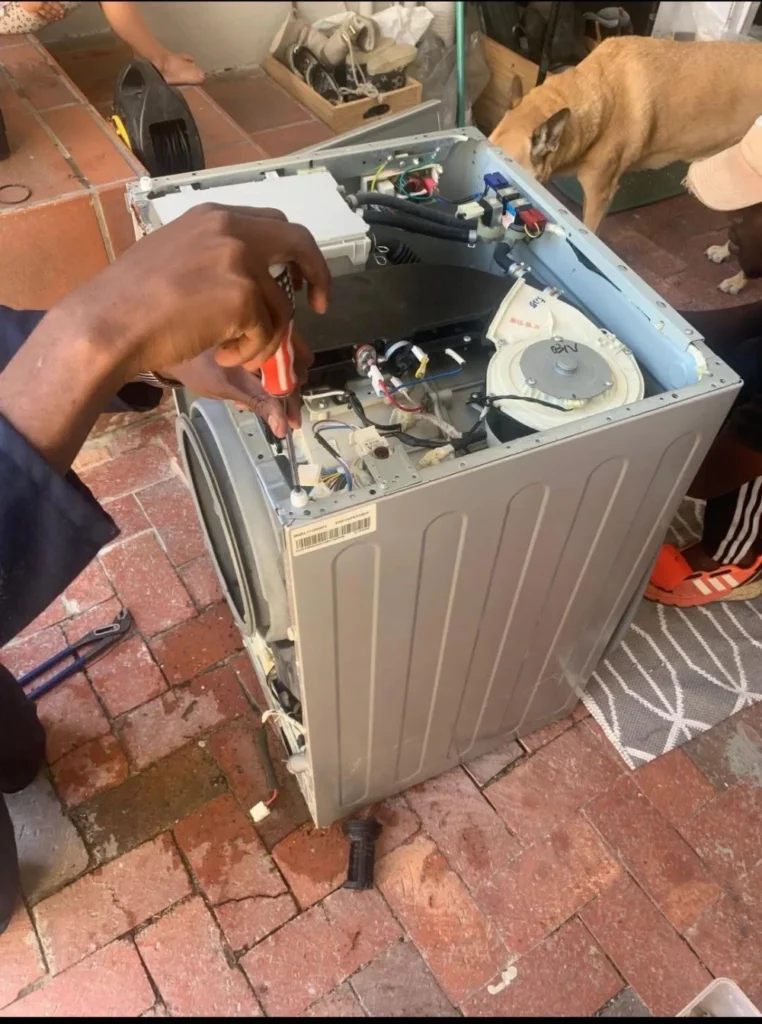
Dryer venting and why it matters
Dryers need a clear path for hot, humid air to leave the house. A vent that is too long, crushed or clogged slows drying and can be a fire risk. We check the vent run and recommend proper rigid or semi-rigid metal ducting rather than plastic foil. If the vent needs more than minor work, we tell you what to do. See dryer repair for more.
In Laramie, a dryer vent on an exterior wall also faces wind and cold. A damaged or stuck flap lets cold air in and can collect lint.
Installing a washer and dryer pair
Laundry installs have the most moving parts. The washer needs hot and cold supply hoses, a drain connection, a level base and a power outlet. The dryer needs power or gas, a vent path and enough space behind it to keep the vent from being crushed.
- Use new braided hoses, not the ones from the old washer
- Check that the washer drain is high enough and secure, to prevent siphoning
- Level each machine on all four feet, since an unlevel washer shakes and walks
- Leave a few inches behind the dryer for the vent elbow
- Remove the shipping bolts or packing from a new washer before the first load
- Run a short cycle and check for drips at every connection
A washer that bounces in the spin cycle or a dryer that takes forever to dry is often an installation issue, not a defective machine. We check these before we leave.
Gas and propane appliances
[confirm gas and propane scope with the technician before publishing]
Gas appliances need the right connector, a shutoff valve and a leak check after connection. Propane appliances are set up differently from natural gas ones, and altitude can matter for burners. If gas line work is needed, a licensed gas fitter may be required. We tell you before the day. Read more on altitude and appliances.
Installing a dishwasher or range
Dishwashers need a hot water line, a drain with a high loop or air gap, power and a secure fit. If you are replacing an old unit, check the disposal knockout plug on the new connection, because forgetting it is a common reason a new dishwasher will not drain.
Ranges need the correct outlet, a level position and an anti-tip bracket to keep the range from tilting forward. Gas ranges also need the right connector, a shutoff valve and a leak test. A range that was moved or replaced without these steps may work but may not be safe.
Over-the-range microwaves need solid mounting to the wall studs or a mounting plate, a clearance above the cooktop and a vent path if it vents outside. They are heavy, so an extra pair of hands is a safety measure, not a luxury.
Installing in rentals and older homes
About 46 percent of Laramie residents rent, and many homes were built decades ago. Older homes can have two-prong outlets, short water lines, shutoff valves that do not close and venting that no longer meets current practice. If you rent, make sure the landlord approves the install and any changes. If the space is not ready, we tell you what needs to happen first.
Questions to ask before you buy
A good installation starts with the purchase. Before you order, check the depth, width and height of the space, the door swing, the power or fuel type and whether the delivery crew will connect it or only place it. Many stores deliver but do not connect, which is why people call us afterwards.
- Does the model need a 120-volt or 240-volt outlet, or gas?
- Does the model need a vent, and where does it go?
- Will the doors and stairs allow it to pass?
- Does the store include haul-away of the old unit?
- Does the model come with hoses, cords or brackets, or are they sold separately?
If you are not sure, send us the model and we will tell you what to expect.
Why a careful installation saves trouble later
Most installation problems do not show up on day one. A loose hose connection may weep for weeks before a stain appears. A dryer vent that is slightly crushed may still dry clothes, only slowly, while lint builds up. A range without an anti-tip bracket works fine until someone leans on an open oven door. This is why we check each connection, level each unit and test before we leave.
We also take a moment to show you where the shutoff valves and breakers are, how to clean the filters and what to watch for in the first weeks. A short walkthrough costs little and helps you catch a small issue early.
Things that can complicate an installation
Wrong outlet
A 240-volt dryer or range needs the right outlet and cord.
Old shutoff valves
Valves that do not close or leak when moved may need replacing.
No drain
A washer needs a proper drain standpipe or sink connection.
Tight space
A new appliance that is slightly larger may not fit.
Stairs and doors
Large units may not clear narrow doors or turns.
Floor damage
Soft or damaged floors can affect leveling.
After the installation
Run a first cycle with something light and check the connections for drips. Keep the manual, the model number and the date of installation. If something seems off in the first week, tell us right away. If you have an older appliance to replace later, read repair or replace.
More help
Dishwasher repair & installation
Repair and install.
Dryer repair
Dryer problems and venting.
Washer repair
Washers and leaks.
Before you call
What to have ready.
Repair or replace
How we weigh it.
All services
See everything we do.
Frequently asked questions
Straight answers to what people ask us most.
What appliances do you install?
Washers, dryers, dishwashers, ranges, microwaves and refrigerators. Tell us the model when you call.
Do you haul away the old appliance?
Ask when you book. [confirm haul-away policy]
Do I need to be home?
Yes, someone should be home to show us where things are and approve the work.
Can you install a gas range?
Tell us the fuel and the model, and we will confirm what is involved. [confirm]
Why does my dryer need a proper vent?
Lint and heat build up in a poor vent and can become a fire risk.
What if my outlet does not match?
We tell you what is needed. Changing an outlet may need a licensed electrician.
Will my new appliance fit?
Measure the space, including depth and door swing, before you buy.
Do you install in rentals?
Yes, with landlord approval.
What should I do before installation day?
Measure, check the outlet, clear the area and confirm the water shutoff works.
What if something is wrong with the space?
We tell you what needs fixing and who should do it.
Ready to get your appliance working again?
Call or text with the appliance, the brand and what it is doing, or send a request and we will get back to you.