
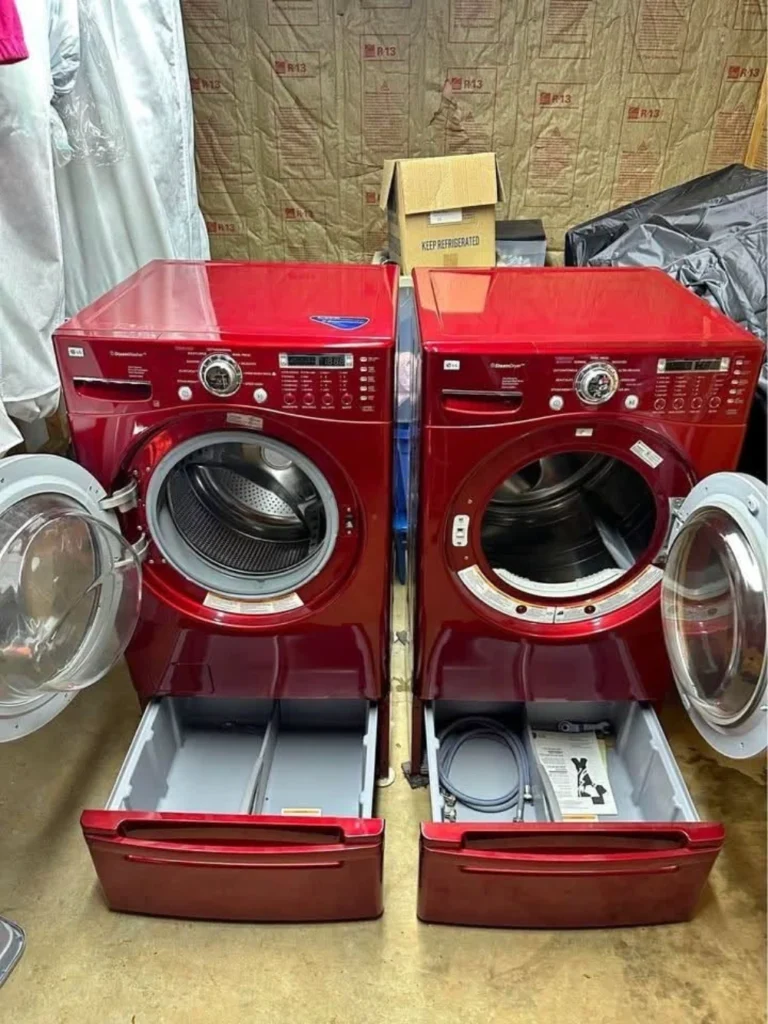
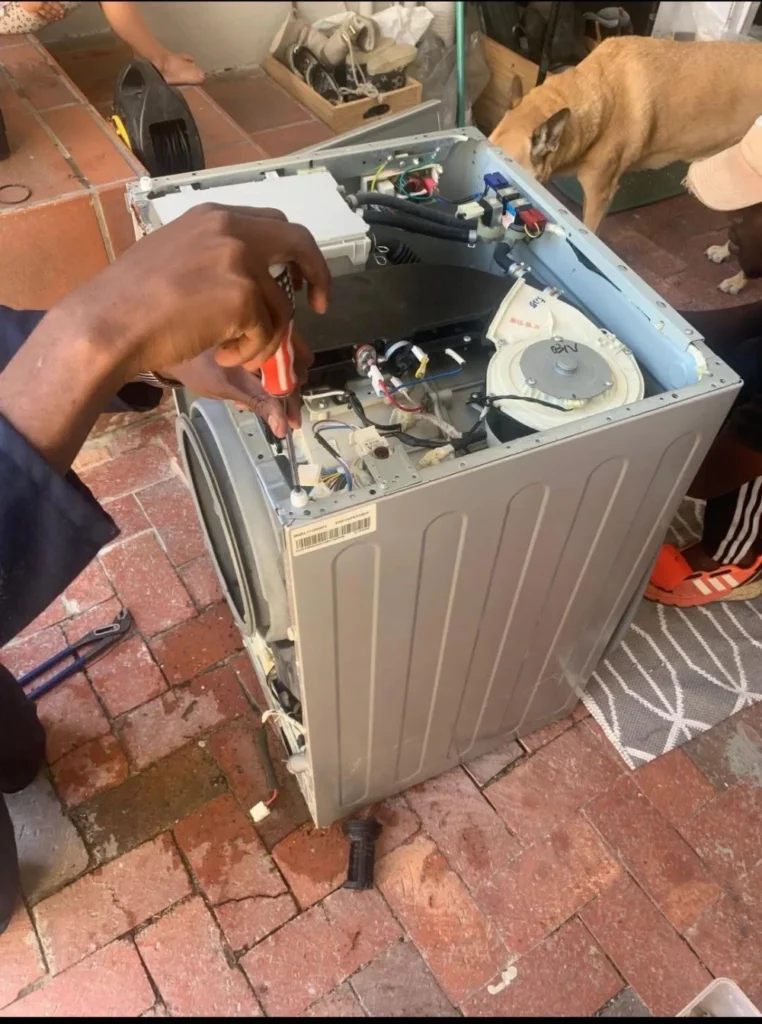
Dryer problems we repair in Laramie
Most dryer calls fall into a handful of patterns. Here is what we see most often and what usually sits behind it.
Dryer not heating
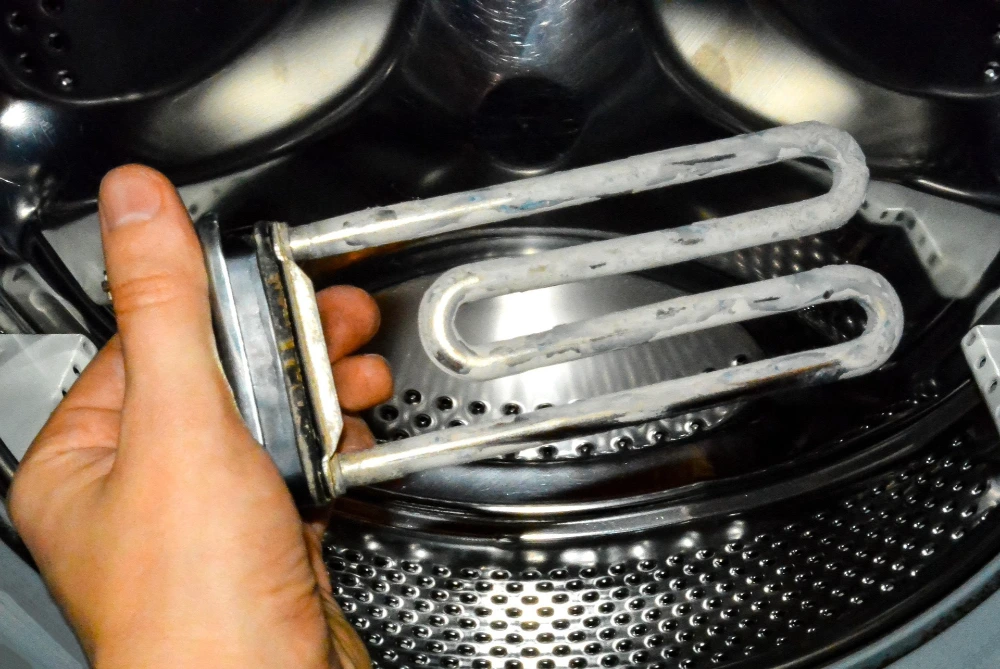
The drum turns but the air stays cool or only warm. On an electric dryer this is usually the heating element, the thermal fuse, the high-limit thermostat or the cycling thermostat. On a gas dryer it can be the igniter, the flame sensor or the gas valve coils. See our guide to a dryer that is not heating.
Dryer will not start
No tumble, no sound, or a hum with no movement. We check the door switch, the thermal fuse, the start switch, the motor and the control before anyone blames the board. Our guide to a dryer that will not start covers the basics.
Takes too long to dry
Clothes come out damp after a full cycle. Restricted venting is the most common cause, followed by a weak heating element, a failing thermostat or a moisture sensor that is misreading.
Noisy dryer
Squealing, thumping, scraping or rumbling usually points to worn drum rollers, a failing idler pulley, a stretched belt or a worn bearing. More in why a dryer makes noise.
Stops mid-cycle
Overheat protection can shut a dryer off partway through a load. Venting is the usual cause, but a failing thermistor, motor or control can do the same.
Hot or burning smell
A burning smell is a reason to stop and unplug the dryer. Lint near the heater, a failed thermostat or a blocked vent is often behind it. Do not run it again until it has been checked.
How we diagnose a dryer
We test first and replace parts second. That is how you avoid paying for parts you did not need.
Listen to the story
We ask what the dryer did first, when it started and whether anything changed: a move, a new vent, a power flicker, a different type of load.
Check the airflow
We look at the lint trap, the duct behind the dryer and the outside vent hood. A dryer that cannot exhale cannot dry.
Test the parts
With a multimeter we test the heating element, thermal fuse, thermostats, switches and motor, instead of swapping parts and hoping.
Explain the result
You hear what failed, what the repair involves and what your options are, including whether replacing the dryer makes more sense, before we start.
Electric and gas dryers
Most dryers in Laramie homes are electric. An electric dryer runs on a dedicated 240-volt circuit, which means heating problems often come down to a handful of testable parts. A gas dryer burns gas for heat but still relies on household electricity for the drum and controls, so a gas dryer can fail in both ways.
If you have a gas dryer, tell us when you call so we can plan the visit properly. Gas appliances are set up for the elevation where they are installed, and Laramie sits at about 7,200 feet, so it is worth mentioning if a gas dryer came from somewhere lower.
If you ever smell gas, leave the home and call your gas utility or 911 from outside. Do not touch light switches or the appliance.
Why dryers have a harder life in Laramie
The median home in Laramie was built in 1977, which often means older laundry hookups and vents that were routed to suit the house rather than the dryer. Long duct runs, tight bends and crushed hoses behind the machine are common, and every one of them makes a dryer work harder and run hotter.
Cold weather adds its own problems. Outside vent hoods with flaps can stick, and a flap that does not open fully traps moist air and lint. In a rental, the dryer may also be shared, moved or loaded heavily, and small problems tend to go unreported until the machine stops completely. If you rent, tell your landlord or property manager when the dryer first starts acting up.
None of this means your dryer is doomed. It means that a proper check of the vent system is part of nearly every dryer visit we make, because fixing the part without fixing the airflow often brings the same problem back.
When to stop using your dryer
Some symptoms are more than an inconvenience. Stop and unplug the dryer if you notice any of these.
- A burning or scorched smell
- Smoke, sparks or visible scorching
- The outside of the dryer is unusually hot to the touch
- The breaker trips when the dryer runs
- Clothes come out hot but still wet, which points to blocked venting
- The dryer shuts off and will not restart after cooling down
While the dryer is out of action, hang laundry indoors or use a laundromat. A day without a dryer is annoying. A dryer fire is not worth risking over one more load.
Repair or replace?
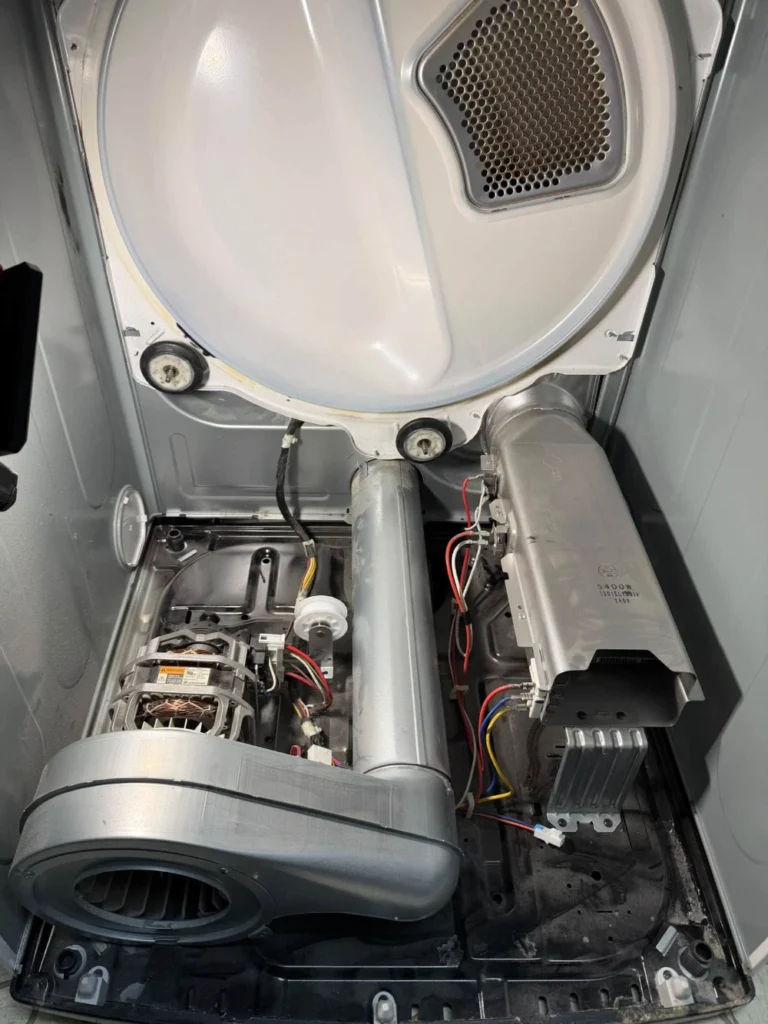
A new heating element, thermal fuse or belt on a dryer that has otherwise treated you well is usually a sensible repair. A failed control board or a worn drum assembly on a dryer that is well past a decade old calls for a conversation. We look at the age of the machine, what failed, whether parts are available and how the repair compares with replacing the dryer, then tell you what we would do.
Our page on repair or replace explains how we think about it. The decision is always yours.
What to have ready when you call
- The brand and, if you can find it, the model number, usually on a label inside the door frame or on the back
- Whether the dryer is electric or gas
- What it is doing, and when it started
- Any error code or flashing light on the display
- Whether the vent has been cleaned or changed recently
You do not need all of that. Tell us what you know and we will work out the rest. Our before-you-call checklist has a few simple checks that can save time.
Simple habits that make dryers last
Clean the lint filter every load
A clogged filter cuts airflow, and airflow is what dries clothes.
Clear the vent system
Have the duct and outside hood cleared from time to time, especially if drying times are creeping up.
Do not crush the hose
Leave a few inches behind the dryer and keep the vent hose from kinking.
Do not overload it
A packed drum dries slowly, runs hotter and strains the motor and belt.
Wipe the moisture sensor
Residue on the sensor bars can make the dryer misjudge how wet the clothes are.
Act on small changes
A longer cycle or a new noise is an early warning. Calling early often means a simpler repair.
More help for your dryer
Dryer not heating
Causes, quick checks and what we test.
Dryer not starting
What to check before you call.
Dryer making noise
What each sound usually means.
Washer repair
If the washer is acting up too.
Appliance installation
New dryer? We can help install it.
All services
See everything we repair.
Frequently asked questions
Straight answers to what people ask us most.
Why is my dryer running but not heating?
On an electric dryer the usual causes are a failed heating element, a blown thermal fuse or a bad thermostat. A clogged vent can also make the dryer shut its heat off to protect itself. We test each part, tell you which one failed and explain the repair.
How long does a dryer repair take?
Many dryer repairs can be finished in one visit when we have the part. If a part needs to be ordered, we tell you before you decide, so you know what to expect.
Is it worth repairing an older dryer?
Often yes, if the problem is a simple part such as an element, fuse, belt or roller and the rest of the machine is in good shape. If the drum, motor and control are all showing their age, we will say so honestly.
Can a clogged dryer vent really cause a fire?
Yes. Lint is flammable, and a restricted vent traps heat. Dryer fires are a well-documented hazard and lint buildup is a leading factor, which is why we check the vent system as part of dryer repair.
Do you repair gas dryers?
Tell us when you call that yours is gas and we will confirm before booking. If you ever smell gas, leave the home and call your gas utility or 911 from outside.
Why does my dryer take two cycles to dry a load?
The usual cause is poor airflow from a clogged lint screen, a crushed hose or a blocked outside vent. A weak heating element or a misreading moisture sensor can do it too.
Why does my dryer smell like burning?
Lint touching the heater, a failing thermostat or a blocked vent can all produce a hot, scorched smell. Stop using the dryer, unplug it and call us.
Do you service dryers in rentals and student housing?
Yes. We work with renters, off-campus student households near the University of Wyoming and landlords with several units. Tell us who can approve the repair and when someone will be home.
What should I tell you when I call?
The brand, the model number if you can find it, whether the dryer is electric or gas, what it is doing and when it started. Any error code helps.
Do you install dryers too?
We help install new appliances. See our appliance installation page, and tell us the dryer type and the hookups when you call.
Ready to get your appliance working again?
Call or text with the appliance, the brand and what it is doing, or send a request and we will get back to you.